Uncovering the Advantages and Practical Use Light Weight Aluminum Castings in Today's Market
Aluminum castings have come to be increasingly appropriate in different markets because of their one-of-a-kind features. Their light-weight nature and resistance to rust make them ideal for demanding applications. Additionally, the remarkable strength-to-weight ratio offers substantial advantages in style and production. As industries continue to explore their potential, the full scope of aluminum castings' advantages and applications continues to be to be totally discovered. What exists ahead for this versatile product?
The Lightweight Advantage of Aluminum Castings
Although several materials are utilized in production, aluminum castings stand out largely because of their light-weight residential or commercial properties. This particular makes light weight aluminum spreadings an appealing choice for different sectors, especially in aerospace and auto applications, where weight reduction is vital for enhancing gas performance and efficiency. The lightweight nature of aluminum permits suppliers to produce components that are easier to take care of and set up, inevitably reducing labor prices.
The ability to produce complex shapes without significant weight charges makes it possible for developers to innovate while maintaining architectural integrity. Aluminum spreadings can effectively replace larger materials, causing considerable savings in delivery and operational costs. Their lightweight benefit also contributes to improved product longevity, as lighter components typically lead to decreased damage on machinery. Overall, the light-weight residential properties of light weight aluminum castings supply suppliers with an affordable side, promoting developments in item design and performance throughout different sectors.
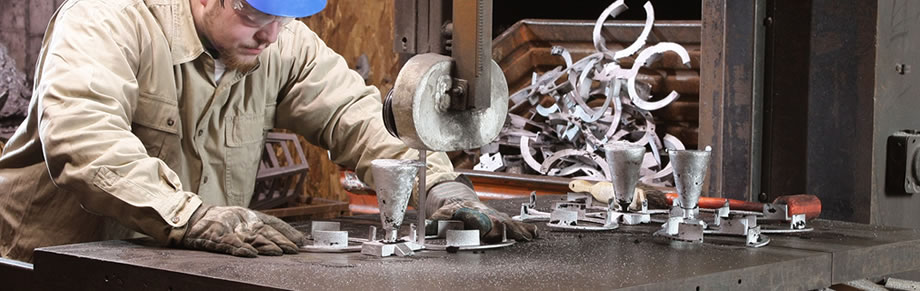
Phenomenal Deterioration Resistance
Light weight aluminum spreadings have a natural resistance to oxidation, which significantly improves their durability in different environments. This intrinsic building not only adds to their toughness yet likewise aligns with the lightweight advantage that light weight aluminum supplies. Because of this, light weight aluminum castings are significantly acknowledged for their extraordinary corrosion resistance in many applications.
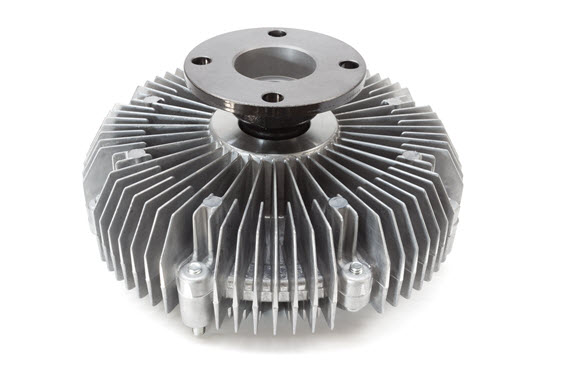
Naturally Immune to Oxidation
One of the standout attributes of light weight aluminum castings is their remarkable deterioration resistance, which comes from a natural oxidation process. When exposed to air, aluminum reacts to create a slim, safety layer of light weight aluminum oxide. This layer works as a barrier versus further oxidation and protects the underlying metal from harsh components such as dampness and salts. Unlike various other steels, this oxide layer is self-repairing; if harmed, it swiftly reforms when subjected to air. This special home enhances the long life of light weight aluminum castings in numerous atmospheres, making them suitable for applications in industries such as aerospace, vehicle, and marine. As a result, the natural resistance to oxidation greatly reduces upkeep prices and enhances the dependability of aluminum spreadings sought after conditions.
Light-weight Resilience Advantage
The lightweight nature of light weight aluminum spreadings contributes considerably to their longevity, making them a beneficial option in various markets. This extraordinary sturdiness is mainly connected to aluminum's inherent resistance to corrosion, which is enhanced even more through anodizing and various other surface therapies. Unlike several metals, aluminum does not corrosion; rather, it develops a safety oxide layer that shields it from ecological damage. This residential property is particularly valuable in sectors such as vehicle and aerospace, where weight decrease is essential without compromising stamina. Furthermore, the durability of light weight aluminum castings minimizes upkeep expenses and substitutes, offering economic benefits gradually. As a result, their light-weight toughness and corrosion resistance placement aluminum spreadings as a superior product for modern-day production applications.
Superior Strength-to-Weight Proportion
An impressive feature of light weight aluminum castings is their premium strength-to-weight ratio, that makes them extremely desirable in numerous applications. This intrinsic residential property enables aluminum castings to hold up against substantial stress and anxiety while continuing to be lightweight, an essential consider industries such as aerospace, auto, and production. Engineers often choose light weight aluminum spreadings for parts that need both sturdiness and lowered weight, improving fuel efficiency and performance.
The high strength-to-weight ratio additionally assists in the design of intricate forms and frameworks, making light weight aluminum spreadings flexible for complex applications. The capability to keep architectural stability under challenging problems warranties long life and integrity in items, from airplane frames to automobile parts. This benefit adds to the growing trend of using light weight aluminum spreadings in ingenious designs, inevitably causing boosted functionality and efficiency throughout diverse markets. The remarkable strength-to-weight proportion of light weight aluminum castings places them as a critical material in modern-day engineering and manufacturing.
Cost-Effectiveness in Manufacturing
Cost-effectiveness in aluminum spreading manufacturing is mostly achieved via lowered product waste and reliable production procedures. By enhancing styles and utilizing advanced methods, makers can lessen excess product use while maintaining high quality requirements. This method not only lowers manufacturing costs yet likewise adds to a lot more lasting practices within the market.
Lowered Product Waste
Decreasing material waste in aluminum spreading processes significantly improves production efficiency. By enhancing the style and manufacturing strategies, firms can reduce excess scrap and enhance source application. This decrease in waste not just decreases product costs yet additionally contributes to an extra sustainable manufacturing design. The ability to reuse light weight aluminum more assistances cost-effectiveness, allowing producers to reclaim and reuse materials without endangering quality. As the industry progressively concentrates on sustainability, decreased product waste straightens with environmental objectives while at the same time improving productivity. Ultimately, efficient use of raw products reinforces the competitive placement of businesses in the market, making light weight aluminum castings a favorable option in various applications. The strategic method to reducing waste mirrors a dedication to both ecological and financial responsibility.
Reliable Manufacturing Processes
While conventional manufacturing processes can sustain substantial prices, aluminum casting supplies an extra effective alternative that boosts overall production success. This method decreases product waste and permits accurate control over the production process, bring about reduced labor and operational prices. The ability to generate intricate forms with fewer steps even more simplifies manufacturing, contributing to much shorter lead times. Furthermore, aluminum's light-weight nature and superb thermal conductivity enable power cost savings throughout production and in the last application. By utilizing contemporary spreading innovations, suppliers can achieve greater throughput without sacrificing top quality. Subsequently, light weight aluminum casting stands apart as an economical remedy, making it an appealing alternative for services aiming to maximize their manufacturing procedures in today's open market.
Convenience Across Industries
Light weight aluminum castings show amazing adaptability click to find out more throughout numerous markets, as they can be tailored to meet certain needs and applications. In the auto industry, aluminum spreadings are used in engine blocks, transmission housings, and wheels, using light-weight yet durable options that improve gas effectiveness. The aerospace sector also gains from aluminum spreadings, utilizing them in structural components and engine parts because of their strength-to-weight proportion.
In the durable goods industry, manufacturers employ light weight aluminum spreadings for products varying from cooking equipment to furnishings, giving both aesthetic charm and functionality. The electronic devices market uses light weight aluminum castings for real estates and warm sinks, making certain reliable thermal management. Additionally, the building field leverages aluminum castings for architectural aspects and structural components, enhancing sturdiness and design adaptability. This broad applicability highlights light weight aluminum spreadings as a vital resource, fulfilling the varied needs of numerous markets while preserving high efficiency and reliability.
Sustainability and Environmental Effect
As markets significantly focus on sustainable methods, aluminum castings emerge as a green option because of their recyclability and reduced ecological footprint. Light weight aluminum is just one of the most recycled products globally, with the capability to be repurposed numerous times without destruction of top quality. This particular greatly lowers the demand for resources and power intake connected with main aluminum manufacturing, which is energy-intensive.
Furthermore, aluminum castings add to lightweight designs, causing fuel effectiveness in transportation applications such as automobile and aerospace markets. Their resilience and resistance to rust prolong item lifespans, additionally lessening waste and resource usage over time. Numerous manufacturers are adopting responsible sourcing and environmentally pleasant production techniques, boosting the sustainability of light weight aluminum spreading processes. In general, aluminum castings represent a sensible option for businesses aiming to lower their environmental influence while attaining performance and performance.
Technologies in Aluminum Spreading Technologies
Recent innovations in aluminum casting modern technologies have substantially boosted the efficiency and top quality of manufacturing procedures. Developments such as 3D printing and advanced mold-making strategies have allowed producers to develop elaborate layouts with decreased material waste. This shift not just enhances the precision of actors components however likewise reduces preparations, enabling fast prototyping and faster market entry.
The incorporation of advanced computer simulations aids in anticipating possible flaws throughout casting, leading to higher-quality outcomes. Using lightweight alloys has actually likewise added to the advancement of stronger, much more durable products, dealing with industries ranging from vehicle to aerospace
In addition, automated spreading processes have actually arised, minimizing human mistake and enhancing production speed. Jointly, these innovations are transforming the aluminum spreading landscape, driving greater competitiveness and sustainability in production. As markets remain to develop, these innovations will play a necessary function in meeting future needs for performance and high have a peek at this website quality.
Often Asked Inquiries
How Do Light Weight Aluminum Castings Contrast to Other Steels in Terms of Thermal Conductivity?
Aluminum castings display premium thermal conductivity compared to many steels, such as steel and iron - Wisconsin Aluminum Foundry. Their light-weight nature and effective warm distribution make them perfect for applications needing effective thermal monitoring in various industries
What Are the Typical Problems Located in Aluminum Castings?
Usual issues in light weight aluminum castings include porosity, shrinkage, inclusions, and surface area irregularities. These problems usually arise from incorrect cooling prices, poor mold layout, or contaminations, affecting the overall top quality and performance of the end product.
Can Light Weight Aluminum Castings Be Recycled, and Exactly how?
Light weight aluminum spreadings can be reused efficiently. The procedure entails gathering, melting, and reforming the aluminum, which decreases waste and preserves sources. This recycling adds to sustainability while preserving the product's residential or commercial properties for future use.
What Are the Regular Lead Times for Light Weight Aluminum Spreading Production?
Typically, preparations for light weight aluminum casting manufacturing array from 2 to 6 weeks, depending on elements such as intricacy, tooling requirements, and manufacturing quantity. Efficiency can boost with well established distributor connections and maximized production processes.
Exactly how Does the Surface Area Complete Affect Light Weight Aluminum Casting Efficiency?
The surface area finish markedly impacts aluminum casting efficiency by affecting corrosion resistance, aesthetic top quality, and friction features. A smoother finish enhances toughness and functionality, while a rougher Discover More Here texture can enhance adhesion for succeeding finishings or treatments.
Lots of materials are made use of in production, aluminum spreadings stand out mostly due to their lightweight buildings. When subjected to air, light weight aluminum reacts to create a thin, safety layer of light weight aluminum oxide. Cost-effectiveness in light weight aluminum spreading production is mostly attained with lowered material waste and effective manufacturing processes. Decreasing material waste in aluminum spreading processes significantly boosts production effectiveness. Ultimately, efficient usage of raw products strengthens the affordable placement of organizations in the market, making light weight aluminum castings a desirable choice in different applications.